| School Learning Focus for the 25/26 school year | For the 2025/2026 school year, Ferris Elementary’s school story is centered on building and strengthening the literacy skills of all our students. |
| Evidence-Informed Rationale (WHY) | Early literacy continues to lie at the heart of our school-wide focus and vision. We recognize that strong foundational skills are essential for lifelong learning, and our renewed commitment is to foster robust literacy development for every learner—especially our developing and emerging language learners. We believe all students deserve the opportunity to become confident readers and writers, and our learning journey is grounded in data-informed decision-making, collaborative professional practice, and responsive instruction. To understand our learners deeply and guide our next steps, we draw on a wide range of data sources. These include Kindergarten and Grade 1 SPARK assessments, ELL and resource teacher evaluations, FSA (Foundational Skills Assessment) results, classroom-based assessments, student learning surveys, report card information, and anecdotal feedback from staff. Through inquiry grants and dedicated time at staff meetings, we have collaborated to analyze this data and identify trends. Our teacher-librarian has also provided important insights into student reading interests and preferences. This comprehensive collection of evidence has allowed us to identify both strengths and areas where more targeted support is needed. |
| Priority Learners | At Ferris Elementary School, our literacy focus this year is to ensure that every student continues to grow as a confident and capable reader. A key priority will be supporting the small group of students who are emergent readers through targeted instruction, guided practice, and consistent opportunities to build foundational literacy skills. Staff will work collaboratively to provide responsive supports that strengthen phonemic awareness, decoding, fluency, and early comprehension, helping these students develop both confidence and independence as readers. More broadly, all students at Ferris will continue to deepen their comprehension skills through intentional literacy strategies used across classrooms and subject areas. Teachers will focus on strategies such as predicting, questioning, summarizing, making connections, and identifying key ideas to help students engage more thoughtfully with texts. By creating rich opportunities for discussion, reflection, and purposeful reading, we aim to further enhance students’ understanding, critical thinking, and enjoyment of literacy in meaningful and inclusive ways. |
| Baseline Data | One of the most significant findings across our data is the ongoing need to strengthen student comprehension and decoding skills. We have listened carefully to our learners—both through their words and their choices—about what they enjoy reading, where they experience challenges, and what they are eager to learn next. Their voices continue to guide our classroom practices and help us prioritize resources that not only meet curriculum expectations but also spark curiosity and engagement in young readers. Student voice continues to be an essential part of our literacy journey. We actively seek students’ perspectives on the kinds of stories they enjoy, topics they are curious about, and how they feel about their growth as readers. This student-centered approach strengthens engagement and nurtures a positive mindset around literacy development.
|
| Action Statement (HOW) | To ensure our literacy practices remain responsive and impactful, staff engage in regular 10–15-minute discussions during staff meetings to reflect on student progress and explore instructional strategies. These conversations have been enriched through collaboration between teachers. This model has supported the development of targeted literacy initiatives and strengthened our culture of shared professional learning and collective responsibility. In support of our literacy goals, we have developed and implemented a variety of practical resources, including literacy kits for primary classrooms that offer hands-on materials for early reading and writing instruction. We have also expanded our comprehension kits to align with the “Reading Power” framework and our school-wide coding workshops, helping students build their abilities to make connections, infer, and think critically about texts. These resources are accessible, adaptable, and responsive to the diverse needs of our learners.
|
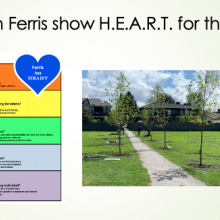
| Intended Impact (SO WHAT) | With HEART, Ferris Elementary’s school story is one of collaboration, responsiveness, and a shared journey toward improved early literacy. Grounded in meaningful data, guided by student input, and strengthened by a community of professional learning, we are continuing to build a literacy-rich culture that supports and uplifts every learner. Our work is ongoing, and we remain committed to refining our practices to ensure every student develops the skills and confidence needed to succeed as a reader and a lifelong learner. |
| Evidence of Impact (HOW WE WILL KNOW) | Evidence of improved literacy outcomes for emergent readers at Ferris Elementary School will be reflected through the ongoing assessments conducted by classroom and resource teachers throughout the school year. These assessments will include observations, reading conferences, fluency checks, and targeted literacy assessments that monitor student growth in foundational reading skills such as phonemic awareness, decoding, fluency, and comprehension. Regular collaboration between classroom and support staff will help ensure that instruction remains responsive to student needs and that progress is carefully tracked over time. More broadly, the development of stronger comprehension skills across the student population will be reflected in two to three school-wide reading assessments administered during the year. These common assessments will provide valuable data on students’ ability to understand, analyze, and engage with texts at their grade level. The results will help staff identify areas of growth, guide instructional planning, and support continued improvement in literacy achievement across the school.
|
Alignment Statement | Equity and inclusion remain central to our approach. With many of our students learning English as an additional language, our ELL teachers collaborate closely with classroom teachers to differentiate instruction and ensure all students receive the support they need to thrive. We also take intentional steps to reflect the linguistic and cultural diversity of our community in the literature we offer, ensuring all students can see themselves represented in the stories they read. |
School Learning Story
Our school's learning story demonstrates how our school community is working to improve learning and well-being for students. This ongoing commitment is driven by a continuous focus on enhancing student achievement and enriching students’ experiences at school. Our efforts are guided by district’s strategic plan and the Ministry of Education and Child Care’s Framework for Enhancing Student Learning policy. This is our collective learning journey, and reflects our shared commitment to growth, collaboration and continuous improvement in support of student success.
Our Focus
No articles have been published yet.
Our Evidence
Here, we present the data and observations that shape our understanding of student learning and well-being. Through assessments, classroom observations, and staff reflections, we gather meaningful insights that help us track progress, and ensure that our approaches are making a difference for students.
Our Actions
This section highlights the concrete steps we take to support our school’s learning goals. From instructional strategies to school-wide initiatives, we document the ways we put our focus into practice. By fostering a collaborative approach, we ensure that our actions lead to meaningful improvements in student success and well-being.